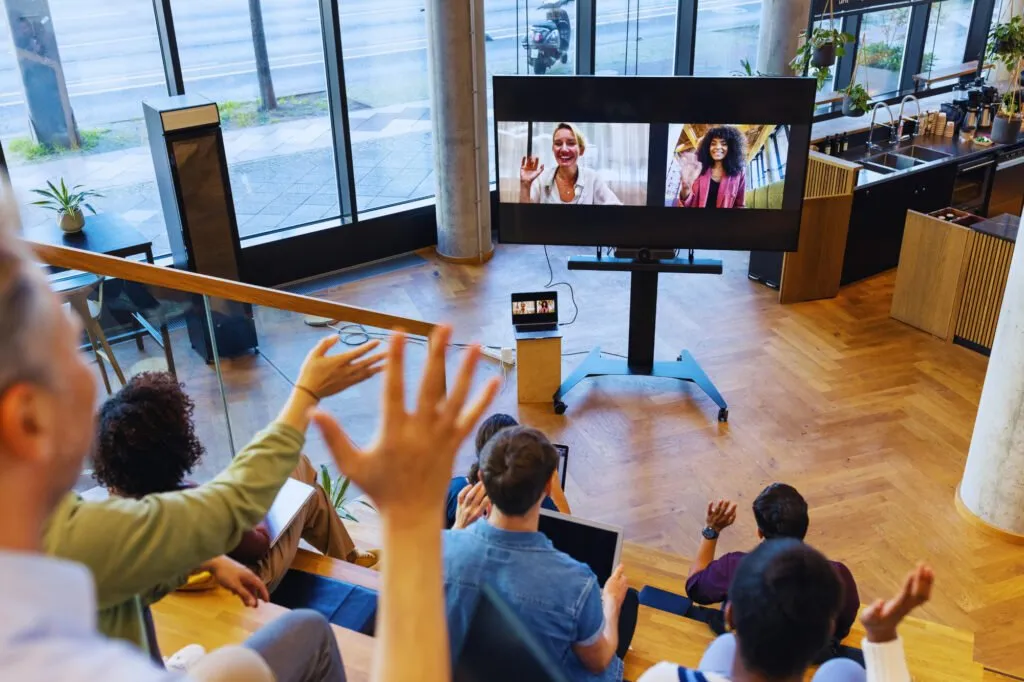
Corporate events are no longer just formal gatherings with speeches and networking over drinks. In 2026 and beyond, businesses expect events to generate measurable outcomes — stronger partnerships, new leads, brand authority, and long-term client loyalty. A successful corporate event blends strategy, creativity, and flawless execution.
In this guide, we explore how to plan and deliver corporate events that not only impress clients and partners but also drive real business results.
1. Start with Clear Strategic Objectives
Before booking a venue or hiring suppliers, define the purpose of your event.
Ask the Right Questions:
- Is this event focused on brand awareness?
- Are you launching a product or service?
- Is the goal to strengthen existing client relationships?
- Are you aiming to generate qualified leads?
- Is this an internal corporate milestone or team-building initiative?
Every decision — from guest list to entertainment — should align with measurable objectives. Clear goals allow you to track return on investment (ROI) and evaluate success.
2. Understand Your Audience
Corporate events must be tailored to the expectations of attendees.
Identify:
- Industry background
- Seniority level (executives vs. managers)
- Cultural diversity
- Networking preferences
- Business interests
For example, C-level executives may expect premium hospitality and privacy, while marketing professionals may prefer interactive sessions and networking opportunities.
Personalization shows respect for your guests’ time and increases engagement.
3. Choose a Venue That Reflects Your Brand
The venue is more than a location — it’s a brand statement.
Consider:
- Accessibility (transport links, parking)
- Technology infrastructure
- Atmosphere (modern, historic, minimalist, luxury)
- Capacity and flexibility
- On-site catering quality
For high-impact corporate events in the UK, popular options include:
- Boutique hotels with conference facilities
- Historic estates for executive retreats
- Modern city venues with immersive tech capabilities
The space should reinforce your company’s values and professionalism.
4. Create an Engaging Program Structure
Corporate audiences appreciate well-structured agendas that respect their time.
Effective Program Elements:
- Clear opening remarks with purpose
- Concise keynote speeches
- Panel discussions with industry experts
- Interactive Q&A sessions
- Networking breaks with intention
- Entertainment that complements the tone
Avoid overloading the schedule. Build in meaningful breaks to encourage conversations and relationship building.
5. Focus on High-Quality Production
Impressive corporate events require flawless technical execution.
Key Production Elements:
- Professional lighting design
- High-quality sound systems
- Seamless stage management
- Branded visuals and screens
- Live streaming for hybrid audiences
Technical issues can undermine credibility. Investing in production ensures a smooth and professional experience.
6. Deliver Exceptional Hospitality
Clients and partners remember how they were treated.
Hospitality Details That Matter:
- Smooth check-in experience
- Welcome drinks or curated refreshments
- Comfortable seating arrangements
- Dedicated guest support team
- VIP lounges for key stakeholders
Small details — such as personalized welcome cards or tailored menus — can elevate the experience significantly.
7. Incorporate Interactive Experiences
Modern corporate events are not passive experiences.
Interactive Ideas:
- Live polling and digital engagement tools
- Interactive product demonstrations
- Networking matchmaking apps
- Branded photo stations
- Experiential installations
Engagement increases attention and improves retention of key messages.
8. Showcase Brand Identity Subtly and Strategically
Corporate events should strengthen brand recognition without feeling overly promotional.
Effective Branding Includes:
- Cohesive visual identity
- Custom stage backdrops
- Branded presentation templates
- Thoughtful signage
- Take-home materials aligned with the company image
Balance is key — subtle elegance builds trust more effectively than aggressive marketing.
9. Measure and Evaluate Performance
A results-driven event must include measurable metrics.
Important KPIs:
- Attendance rate
- Lead generation numbers
- Engagement levels
- Social media reach
- Client feedback scores
- Follow-up meeting conversions
Post-event reports help justify investment and guide future improvements.
10. Follow Up Strategically
The event doesn’t end when guests leave.
Post-Event Best Practices:
- Send personalized thank-you emails
- Share event highlights or recap videos
- Provide presentation materials
- Schedule follow-up meetings
- Collect feedback surveys
Timely follow-up reinforces relationships and maximizes ROI.
11. Prioritize Sustainability and Responsibility
Corporate clients increasingly value environmentally responsible events.
Sustainable Practices Include:
- Digital invitations
- Eco-friendly catering options
- Reduced waste policies
- Carbon offset initiatives
Demonstrating responsibility enhances brand reputation and aligns with modern corporate values.
12. Build Long-Term Partnerships Through Experience
The most successful corporate events don’t feel transactional — they feel collaborative.
When clients and partners feel valued, heard, and inspired, they are more likely to:
- Continue business relationships
- Recommend your company
- Invest in long-term partnerships
Creating emotional resonance alongside professional excellence is the ultimate differentiator.
Corporate events are powerful tools for connection, visibility, and revenue growth. By combining strategic planning, exceptional hospitality, engaging programming, and data-driven evaluation, businesses can transform events into high-performing assets.
When executed correctly, corporate events do more than impress — they build trust, strengthen partnerships, and drive measurable results.