The UK event industry is constantly evolving — shaped by new technologies, changing social habits, and the growing expectations of clients who want memorable, meaningful experiences. As we move into 2026, event planners and organizers need to stay ahead of trends to deliver creative, efficient, and impactful events. In this article, we explore the key event trends expected to dominate the UK market in 2026, helping both clients and planners know what to expect and how to prepare.
1. Sustainable and Eco-Conscious Events
Sustainability is no longer a niche preference — it has become a core requirement for clients across sectors.
What This Means for Events:
- Zero-waste catering with locally sourced, seasonal menus
- Biodegradable or reusable event materials (no single-use plastics)
- Carbon-offset programs for travel and logistics
- Green certifications for venues and suppliers
Clients increasingly expect transparency in how an event reduces its environmental impact — from energy use to waste management. By embracing eco-friendly practices, planners not only meet expectations but also support long-term industry responsibility.
2. Hyper-Personalized Experiences
In 2026, generic events won’t satisfy audiences. Clients are looking for experiences that feel tailored, unique, and emotionally engaging.
How Personalization Shows Up:
- Custom event apps that adapt schedules, reminders, and content to individual attendees
- Personalized seating, food preferences, and networking suggestions
- AI-driven event journeys based on attendee interests
For example, a corporate conference could offer customized breakout recommendations based on a guest’s industry, job role, or past attendance. This level of personalization increases engagement, satisfaction, and event ROI.
3. Immersive Hybrid Events
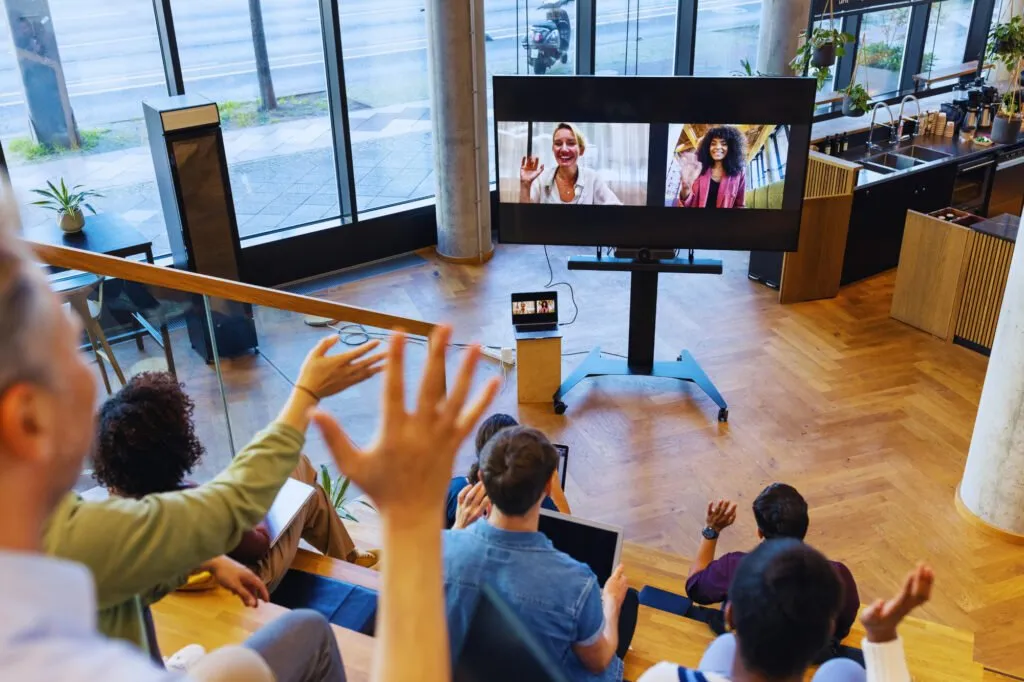
Hybrid events — combining in-person and virtual experiences — became important during the pandemic, but in 2026 they’ll be smarter, more interactive, and more seamless.
Trends Within Hybrid Formats:
- Virtual audiences enjoying live streams with interactive polls and Q&A
- In-venue attendees engaging with digital overlays or mixed reality experiences
- Global accessibility for international participants
The goal is to make virtual attendees feel just as included as guests on site. This encourages wider participation and opens new revenue streams for clients who want global reach.
4. Augmented Reality (AR) and Virtual Reality (VR) Integration
Technology is reshaping how people connect with events. AR and VR are moving beyond novelty into practical, high-impact tools.
AR and VR in Action:
- AR scavenger hunts at exhibitions and trade shows
- VR tours of venue spaces and product showcases
- Immersive brand experiences that wow audiences
For instance, wedding clients might preview décor settings with AR before booking, while corporate clients could offer product simulations through VR at a launch event.
5. Flexible and Micro Event Formats
Large-scale events are being supplemented by smaller, more intimate gatherings — especially in corporate and luxury sectors.
Examples:
- Micro-conferences with niche topics
- Pop-up experiences in non-traditional venues
- Exclusive VIP gatherings with curated content
These formats allow planners to focus on quality over quantity: deeper connections, more detailed programming, and stronger emotional impact.
6. Wellness-Centric Experiences
Wellbeing continues to influence event design, especially as clients prioritize comfort, balance, and mental focus.
Ways Wellness Appears:
- Dedicated wellness spaces at large events (relaxation zones, mediation pods)
- Healthy menu options and hydration stations
- Breaks for movement, breathing exercises, or micro workouts
By incorporating wellness features, events become not just productive but also holistic experiences that care for attendee health.
7. Creative Use of Venue Spaces
Clients want event spaces that surprise and delight. In 2026, unusual and adaptive venues will rise in popularity.
Examples of Innovative Venue Trends:
- Historic buildings with modern overlays
- Outdoor garden or waterfront locations
- Transformative spaces enhanced with digital projection
Innovative venue choices help tell a brand story, spark participant interest, and create immersive backdrops for photos and content.
8. Data-Driven Experiences and Measurement
Today’s clients don’t just want a great event — they want measurable results.
What This Means:
- Analytics dashboards tracking engagement, attendance, and feedback
- Behavioral data used to optimize future events
- ROI reporting for sponsors and stakeholders
Using data responsibly and transparently can build trust with clients and help planners justify decisions with clear evidence.
9. Social and User-Generated Content Focus
Events are more shareable than ever, and clients expect content that boosts visibility on social platforms.
How Planners Encourage This:
- Instagram-ready décor and signage
- Branded QR codes for quick sharing
- Live social feeds and challenges during the event
This not only increases reach but also strengthens audience connection with the brand.
10. Community-Centred and Purpose-Driven Events
Finally, many clients want events that contribute to community impact or social causes.
Examples:
- Charity partnerships and donation initiatives
- Events that support local artisans or youth programs
- Purpose-driven themes aligned with brand values
Purpose-driven events inspire loyalty, positive press, and deeper emotional resonance among attendees.
The event landscape in the United Kingdom for 2026 will be defined by creativity, personalization, technology, and responsibility. Clients are looking for planners who can blend innovation with meaningful experiences — and deliver events that feel personal, sustainable, and impactful.
For event companies like Narvello, staying ahead means embracing these trends, understanding client goals, and crafting experiences that exceed expectations.